Loft Conversions in Tiptree, Essex
Loft conversion work in Tiptree is mostly a question of which decade your house belongs to. This is a large village that grew outward in successive waves through the twentieth century, and the roof above your ceiling is a fairly reliable indicator of when your street was laid out. The good news is that plots here are generous by Essex standards, which makes access straightforward and keeps scaffold costs down.
Our Loft Conversion Services in Tiptree
The right conversion is determined by roof structure and head height rather than by preference. These are the five approaches we work with locally.
- Dormer loft conversions — building outward from the rear slope for flat-ceilinged head height, the most common answer here
- Velux loft conversions — rooflights fitted flush into the existing slope where ridge height already allows
- Hip to gable conversions — squaring off the sloping ends common on the inter-war and post-war semis
- Mansard conversions — replacing the roof structure to gain close to a full extra storey
- L shaped dormer conversions — two dormers across a rear outrigger on the older cottages and terraces
Why Choose Us for Loft Conversions in Tiptree
- We identify cut versus trussed roof construction at survey, which on Tiptree’s mixed stock is the single fact that moves the price most
- Bungalow and chalet conversions handled properly, including the roof replacement that shallow-pitched properties genuinely need
- Generous plots here usually mean straightforward scaffold access, and we price that advantage in rather than applying a standard allowance
- Structural calculations, Building Regulations submission and inspections managed throughout
- Fixed written quotation after survey, with no provisional sums left in the figure
Tiptree Housing and What It Means for Your Loft
Tiptree is best known for jam. Wilkin and Sons have made preserves at Trewlands Farm since 1885, the factory still sits at the centre of the village, and the family had been farming fruit here for generations before that. The company’s presence shaped the village — it drew workers, and housing followed.
What Tiptree does not have is a medieval core. It was a scattered settlement on Tiptree Heath for most of its history, and the village as it exists today is largely a twentieth-century creation. That makes the housing unusually easy to read by era.
The oldest stock is Victorian and Edwardian, built around the factory and the main crossroads, and often with rear outriggers. Those properties suit an L shaped dormer, using the roof over the back addition that would otherwise sit empty. Roof pitches are steep and construction is cut timber on purlins, so the void can be opened up rather than rebuilt.
Inter-war and early post-war development brought the semi-detached house with hipped ends. These are the properties where a hip to gable conversion earns its cost, because the sloping end narrows the loft exactly where the staircase wants to land. Combined with a rear dormer, they convert into a genuine double bedroom with an en suite.
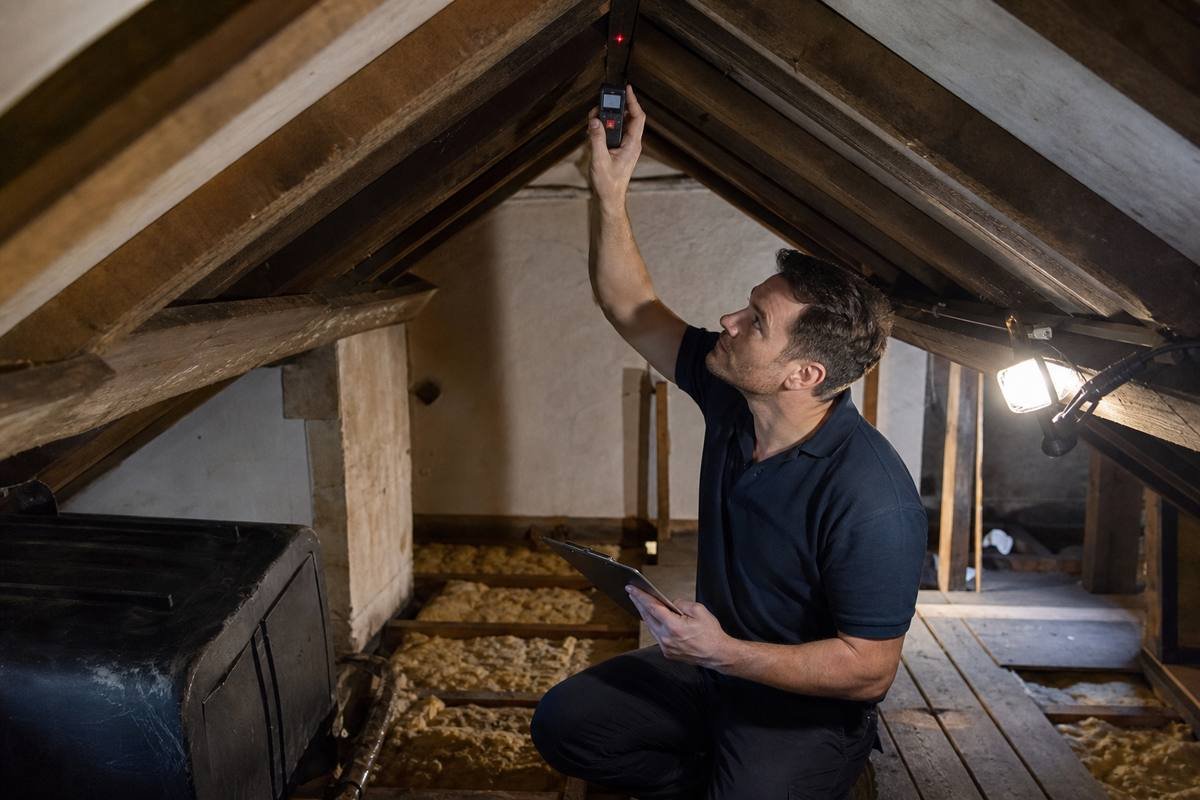
From the 1960s onward the village expanded substantially, and that later housing brings trussed roofs. A trussed roof looks like a loft but is not one — the void is filled with structural timber that cannot be cut away without replacing what it carries. Converting one means installing new support and rebuilding, which is a different job from opening up a cut roof and costs accordingly. Anyone quoting without having been up there will not have factored it in.
There are also a good many bungalows scattered through the village, particularly on the later estates. Chalet bungalows, designed with rooms partly in the roof, convert comparatively easily. Shallow-pitched post-war bungalows generally need the roof removing and the ridge raising, which is substantial work but transforms the property.
The one genuine advantage Tiptree offers is space around the houses. Plots are wider than in Colchester’s terraced streets, side access is usually clear, and scaffold can be erected and struck without craning over a roof or negotiating with a neighbour. That takes days off the programme and real money off the quote, particularly on hip to gable work where the end elevation needs a full scaffold.
Serving Tiptree and the Surrounding Area
We work throughout Tiptree, Great Totham, Messing and the surrounding villages, and across the wider area including West Mersea, Wivenhoe, Halstead and Clacton-on-Sea, as well as Colchester itself.
Building Regulations requirements for structural alterations to roofs are explained by LABC.
If you are considering a loft conversion in Tiptree, the first thing worth establishing is whether your roof is cut or trussed, because it determines everything that follows. A survey answers that in minutes, at no charge and with no obligation.