Loft Conversions in Clacton-on-Sea, Essex
Loft conversion work in Clacton-on-Sea comes down to two things that shape almost every job here: a housing stock heavy in bungalows and chalets, and a seafront position that puts properties in the path of weather coming straight off the North Sea. Neither is a problem, but both change the specification, and a conversion designed for an inland semi will not last long on an exposed Clacton street.
Our Loft Conversion Services in Clacton-on-Sea
What suits your property is determined by the roof above your ceiling rather than by preference. These are the five approaches we work with locally.
- Dormer loft conversions — building outward from the rear slope for flat-ceilinged head height, the most common answer on two-storey properties
- Velux loft conversions — rooflights fitted flush into the slope, viable on chalets that already carry ridge height
- Hip to gable conversions — squaring off the sloping ends common on the inter-war and post-war semis
- Mansard conversions — full roof replacement, which on a bungalow effectively creates a second storey
- L shaped dormer conversions — two dormers across a rear projection on the older properties near the town centre
Why Choose Us for Loft Conversions in Clacton
- Bungalow and chalet conversions are routine work for us, including the roof replacement that many Clacton properties genuinely require rather than the dormer people expect
- Coastal detailing specified as standard — stainless fixings, heavier flashings and cheek construction suited to salt-laden wind rather than an inland detail
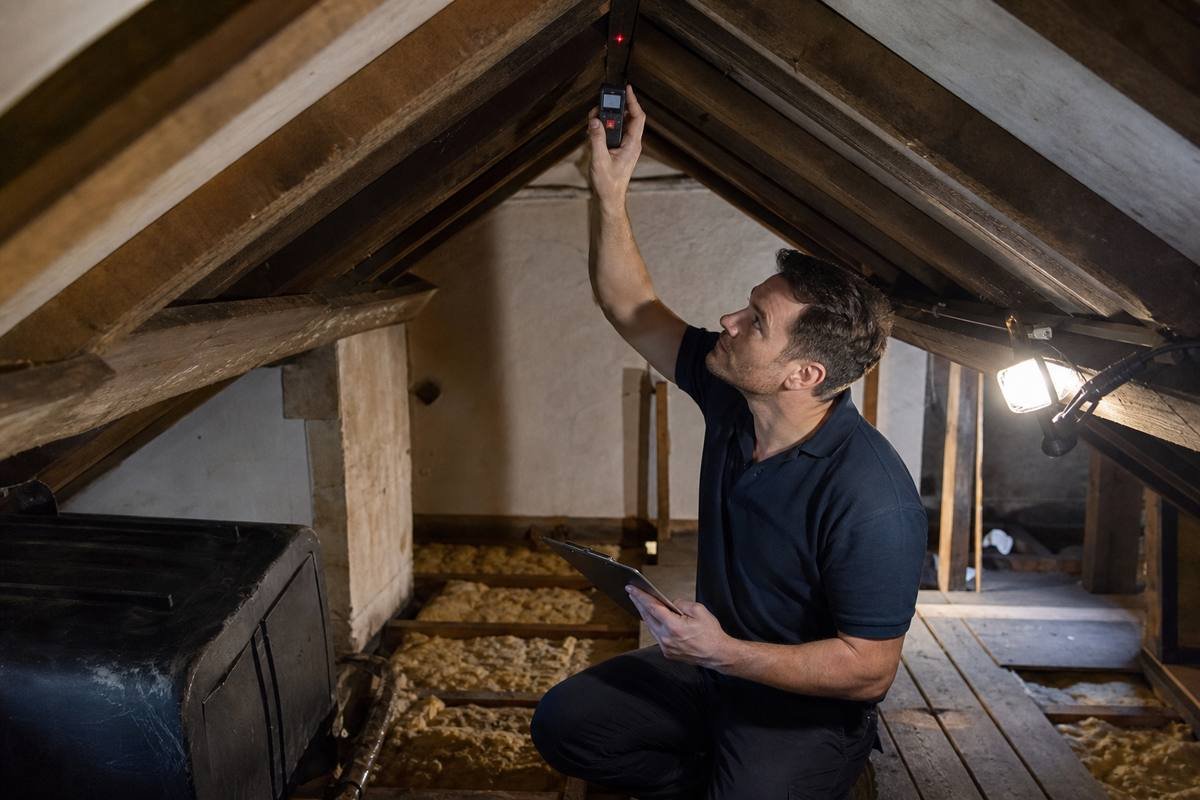
- We establish whether the roof is cut or trussed before quoting, because on post-war Clacton stock that single fact moves the price by five figures
- Structural calculations, Building Regulations submission and inspections managed throughout
- Fixed written quotation after survey, with no provisional sums left in the figure
Clacton Housing and What It Means for Your Loft
Clacton was built as a resort. The town barely existed before 1871, when Peter Bruff developed it as a seaside destination and built the pier to bring visitors in by steamer. Everything here is later than that, which makes Clacton unusual in Essex — there is no medieval core, no Victorian industrial terrace, and very little that predates the railway arriving in 1882.
What the town has instead is a housing stock shaped by holidays and retirement. Bungalows went up in large numbers through the inter-war and post-war decades, aimed at people moving out from London for the coast, and they still dominate whole districts. Chalet bungalows, with rooms partly in the roof from the outset, are equally common.
That distinction matters enormously for a conversion. A chalet bungalow was designed with a steeper pitch and a floor structure intended to carry rooms above, so adding dormers or rooflights to gain proper head height is comparatively straightforward. A conventional post-war bungalow was not. Its roof was built to keep weather out, often with shallow-pitched trusses and almost no usable void, and converting it means removing the roof, raising the ridge and constructing what amounts to a first floor. The gain is enormous — a three-bedroom bungalow becoming a five-bedroom house — but it is a substantial job and it should be priced as one.
The second Clacton factor is exposure. The town faces the North Sea with nothing between it and the weather, and the cliffs along the seafront take the full force of easterly wind and driving rain. Salt carries a long way inland here. Dormer cheeks, flashings, fixings and window seals all need specifying accordingly, and stainless rather than galvanised fixings are worth the small premium on anything that will be difficult to reach again once the scaffold comes down.
Jaywick and the low-lying western fringe raise a further point. Ground levels there are close to sea level and parts sit in a designated flood zone. A loft conversion creates accommodation at the safest level in the building, but the council may still attach conditions around escape and habitable room design, and it is quicker to establish that at survey than at application.
Serving Clacton-on-Sea and the Surrounding Area
We work throughout Clacton, Holland-on-Sea, Frinton and Walton, and across the wider area including Wivenhoe, West Mersea, Tiptree and Halstead, as well as Colchester itself.
Structural requirements for floors, staircases and fire escape in converted lofts are set out by LABC.
If you are considering a loft or bungalow roof conversion in Clacton, a survey will establish what structure you have, whether it can be adapted or needs replacing, and what the work will realistically cost. There is no charge and no obligation.